

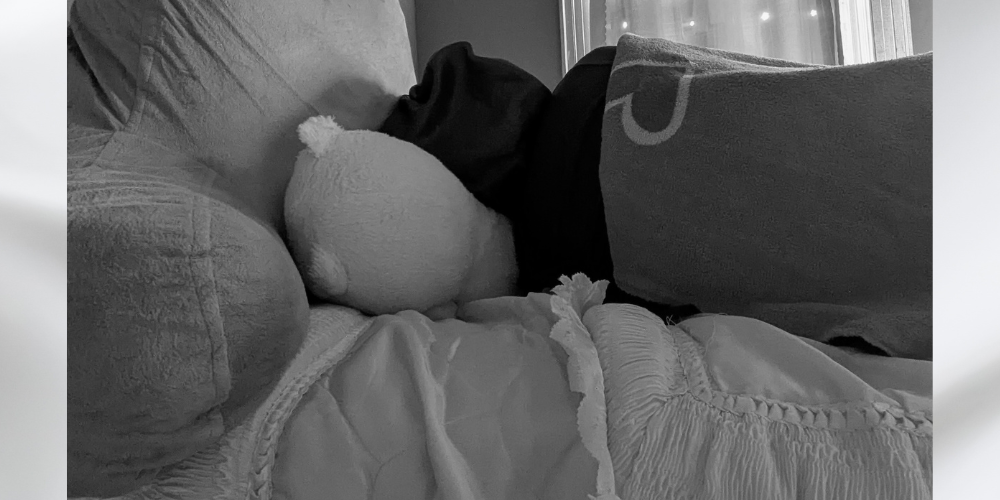
You wake up feeling tired, even though you slept, the tiredness that no amount of sleep can fix. You assess how you feel and don’t feel like getting out of bed today. The bathroom can wait, hunger can wait, and responsibilities can wait. Just thinking about tasks causes you to be overwhelmed, and not starting them also is overwhelming, so the only thing you have enough energy for is to lie down and scroll and scroll and scroll. Scroll the day away, with snacks and girl dinners, and the day is wasted. Now you’re anxious and frustrated with yourself because you don’t feel rested mentally as you live online all day, avoiding your thoughts, and nothing is still done. The pattern of freeze mode continues, your scroll continues, and the piling responsibilities also continue. This is bed rotting, as you know, in one form. As a self-proclaimed “certified bedrotter,” I reflect on what this trend means for those of us juggling mental health and chronic illness.
Yes, I’m a Certified Bedrotter: Understanding the Bed Rotting Trend
In today’s world, it seems like every wellness trend is making headlines, from mindfulness to digital detox. Lately, many people have been buzzing about “bed rotting,” a term that encompasses lounging around in bed for extended periods, often under the premise of self-care. While it might sound cozy and appealing at first, it’s crucial to address the realities behind this trend, especially for those grappling with chronic illnesses and mental health challenges.
✨What is Bed Rotting?
At its core, bed rotting refers to the idea of abandoning your daily responsibilities to spend an excessive amount of time in bed, binge-watching shows, scrolling through your phone, or even just lying there experiencing the same thoughts over and over. It’s presented as a form of self-care, a way to “reset” one’s mental state. What people often overlook is how this practice can easily tread into dangerous territory.
✨The Glittering Facade and Its Underlying Grit
While the concept of taking time to rest should never be dismissed, using bed rotting as an escape can be a slippery slope. The implications of glorifying such behavior often romanticize mental health struggles, misleading individuals into thinking that isolating and withdrawing are a legitimate means of dealing with anxiety, depression, or other mental health issues. Rather than acknowledging and addressing these conditions, bed rotting can become a means of avoidance rather than healing. Again, rest from daily activities, chores, and recovering burnout, and just feel like it is ok; however, if this is a regular activity and pattern you are stuck in freeze mode.
✨Detriments to Chronic and Mental Illness
For those dealing with chronic illness, the ramifications of prolonged resting in bed can be particularly severe. There’s a fine line between necessary rest and being inactive to the point of detriment. Prolonged bed rest can lead to physical deconditioning, worsening symptoms, and even complications like pressure ulcers or decreased lung capacity.
For individuals battling mental health challenges, the effects can be equally troubling. Allowing oneself to exist in a constant state of inaction may further entrench feelings of worthlessness or despair. Instead of empowering one’s mental state, bed rotting can perpetuate a cycle of lethargy and spiraling thoughts that are difficult to escape and allow room for harmful coping mechanisms like ruminations, maladaptive daydreaming, doom scrolling, over/undereating, and neglecting hygiene.
✨It’s Time to Take Action
So, what’s the takeaway here? Self-care is essential, but it should not come at the expense of your overall health or happiness. Finding a balance is vital. Instead of succumbing to bed rotting, consider engaging in other forms of self-care that promote a healthier lifestyle.
➔ Set small, achievable goals. Getting out of bed for just a few minutes
to stretch or enjoy a meal can kickstart a more active day.
➔ Cultivate hobbies. Find activities you enjoy that can be done sitting up
or within a routine. Art, reading, or even light exercise can provide feelings
of accomplishment and joy.
➔ Use lifestyle tracker apps. Build routines of checking in with yourself
and tracking mood, symptoms, diet, and activities during the day to check
patterns to cope with life, manage mood and symptoms on your own, or
Speak to a professional with any alarming or chronic symptoms.
➔ Seek help when needed. Whether that’s through a therapist, a support
group, simply reaching out to friends, or anonymously journaling and
writing about it online to connect with others like you.
✨In Conclusion
Yes, bed rotting may feel like a soothing balm for the relentless hustle of everyday life, but we must recognize its potential consequences. Sometimes you just wanna be, not think about responsibilities, and pause time until half the day is done. It’s crucial to break free from the cycle of avoidance and understand the importance of addressing our mental and physical health proactively. Transitioning from the bed to meaningful engagement with the world can lead to a brighter, healthier future, one step at a time.