
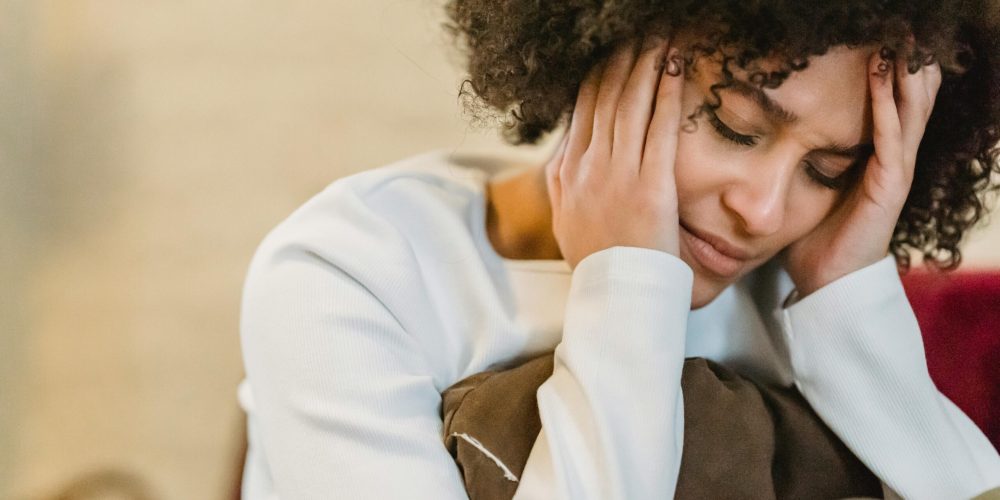
As a society, we often overlook the profound connection between hair texture and mental health. For many individuals with natural hair, the styling process can quickly transform from an act of self-expression into a source of frustration and despair. Let’s talk about natural hair depression attention and how it intertwines deeply with self-esteem and acceptance in a society that sees natural hair as unkempt, dirty, and unprofessional.
✨The Struggle with Styling
There’s an unspoken pressure that accompanies the maintenance of natural hair—a pressure to achieve defined curls or flawless braids, twists, and puffs that can sometimes feel out of reach. Out of reach because of time, a busy lifestyle, and finances. Many of us have experienced a disheartening situation where we try to style our hair, pouring time and effort into the process, only to have it not cooperate in the way we envisioned. Perhaps the curls didn’t form as expected, or maybe the twist out didn’t dry, or the recreation inspo on Pinterest gave us a different outcome, leaving us feeling defeated.
This ongoing battle can foster a sense of disconnection from our natural texture. When styling attempts fall short, it can lead to feelings of inadequacy, frustration, and, ultimately, a deeper psychological struggle. The ties between our hair and our identity make these experiences even more impactful, as we might associate our hair’s behavior with our worth due to the pressure to present ourselves as more than decent because we’re not allowed to be just exceptional as compared to other counterparts with manageable hair types mediocrity in their presentation is accepted and never shamed.
Straight hair, styled or unstyled, will always be perceived as neat and effortless . Natural hair, despite its versatility in all its glory, has to be protected in a style from time to time to prevent breakage. This takes time, patience, and money! The fear of being perceived or not accepted into professional settings and the inaccessibility to change appearence, like our hair, affects emotional well-being due to constant perfectionism, unrealistic beauty standards, and pressure to look presentable. As someone with natural hair, “just being or existing” was never allowed for my kind.
✨The Stylist Challenge
For those who don’t have their own time and patience, a stylist can be where you’re headed to get your beautiful crown out of your sight for the next 2 weeks or a month. In an ideal world, we would anticipate visiting a stylist, having a free wash and blow dry, and trusting their experience to achieve the look we desire. Yet, when circumstances—be it a booked schedule, dealing with an unprofessional stylist, or financial limitations—prevent us or even deter us from accessing professional help, the frustration can intensify. The inability to transform our hair into the style we envisioned can leave us feeling powerless. Know that your hair is beautiful in its completely natural state and its versatility in different styles, even when it feels overwhelming and unmanageable at times.
This limitation can lead to self-esteem issues, as we may internalize the belief that our natural hair is inherently unmanageable or less desirable. It’s essential to validate these feelings, as they feel real and can spiral into a cycle of self-hatred and dissatisfaction with our natural curls, coils, and kinks. Growing up, I often felt broken, ugly when my hair was matted, couldn’t get it done the way I wanted, or now it’s hard to maintain my health issues. It didn’t help that no one around me had the same hair I did, and the dolls and TV didn’t reflect that either. I knew that my appearance is the first thing people see and comment on, so it must’ve been important. I hated being perceived in any type of way, but as I got older, I felt I unlocked the power of “style-maxing” my hair and fashion through my mood and the way I want to be perceived. It’s a true self-expression superpower. Medium knotless, small boho knotless, Fulani braids, stitch zig zag, curve cornrows, bantu knots, passion, mini or Marley twists, wigs, or weaves. The styles are unique and endless.
✨The Emotional Toll
It’s crucial to recognize and hear the frustrations that surface from “natural hair depression.” Even if no one talks about even if you don’t experience it or love your hair, it doesn’t mean others aren’t experiencing it. The emotional toll can manifest in various ways, affecting self-image and overall mental well-being. When our hair is not cooperating, it can symbolize a larger struggle with control or acceptance in our lives. Feeling stuck in this cycle can lead to harmful thoughts about our self-worth.
However, it is important to note that these moments of frustration do not define us. Your hair, with all its unique patterns and textures, is a testament to your individuality, what a creative God we have, and it should be celebrated, even on the days it may not seem perfect.
✨
A Path Forward
So, how do we navigate these challenging feelings?
1. **Self-Care and Acceptance**: First and foremost, embrace your hair for what
it is. Celebrate its beauty, even if it doesn’t always fit the ideal mold. Experiment
with different styles that require less stress. Practice gratitude while oiling your
hair, adorning your crown in love, and showing gratitude that you have hair, no
matter what state it’s in or what others say about it.
2. **Seek Community**: Connect with others who understand the challenges of
natural hair. Sharing experiences can provide validation and encouragement.
Wearing your natural hair around others while they wear their natural hair is the
first step to exposure therapy and a safety net to gain comfort in wearing and
accepting natural hair in all states in society.
3. **Focus on Hair Health**: Consider adjusting your hair care routine to
prioritize the health of your curls. Incorporating nourishing treatments can
sometimes ease the burden of styling frustration while paying attention to specific
products that can achieve the look you desire.
4. **Professional Support**: When possible, seek out a stylist who specializes in
natural textures and has credible pictures of their work. A professional who
understands your hair can offer solutions, techniques, and the confidence you
deserve.
5. **Mental Health Matters**: If feelings of self-hatred persist, don’t hesitate to
reach out for professional support. Talking to a therapist can provide powerful
tools for navigating self-esteem issues. This may also be a time to unplug from
social media if you find yourself comparing your hair to others. Comparison will
get you nowhere.
✨Conclusion
Understanding the link between hair texture and mental health is vital for validating our experiences. It’s okay to feel frustrated, but it’s also essential to embrace who you are, texture and all. It’s time to stop prioritizing aesthetics and prioritize the health of your hair while learning to live in all states. Remember, you are not alone in this journey. You have the power to rewrite the narrative surrounding your natural hair. Embrace your journey with compassion and understanding, and allow your hair to be a source of pride rather than a point of contention.
-XOXO,
THE SICK HEALER